

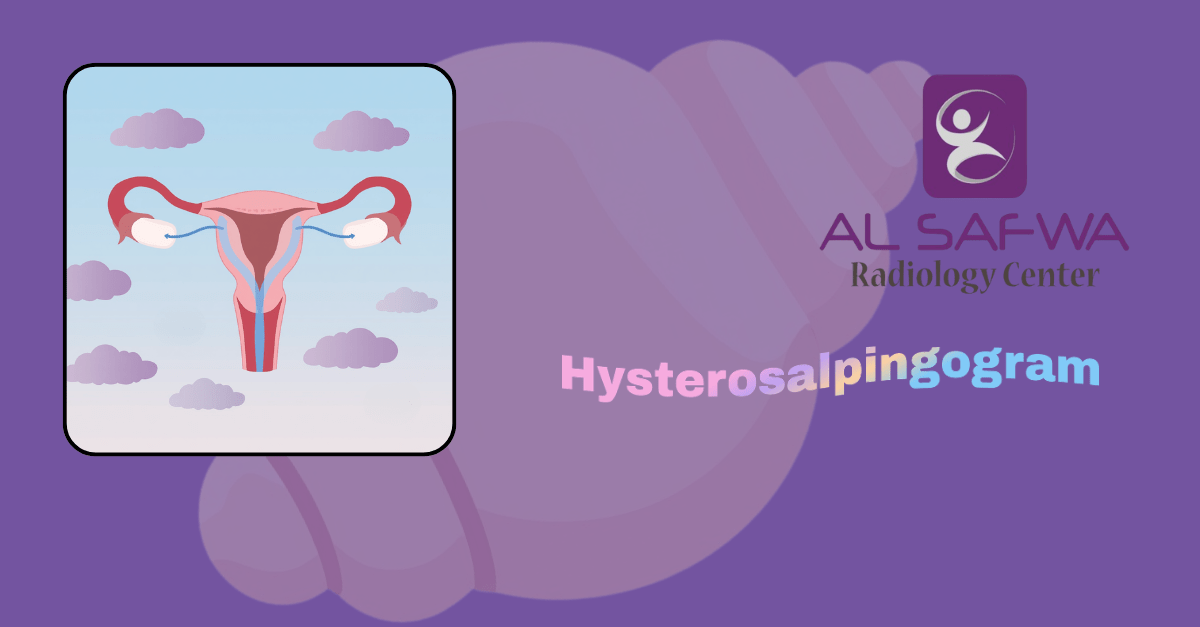
Thinking about starting a family? The journey can be exciting. But sometimes, getting pregnant takes longer than expected. That is when doctors may suggest a closer look at your reproductive health.
One common test is a hysterosalpingography (HSG). This guide explains everything you need to know. If you are looking for advanced fertility imaging in Sharjah, understanding this test is a great first step.
What Is a Hysterosalpingography (HSG)?
An HSG is a special X‑ray procedure. It helps doctors examine your uterus and fallopian tubes. The test uses a contrast dye. This dye makes your internal organs visible on X‑ray images.
Doctors use HSG as a first‑line fertility test. It is quick and minimally invasive. You do not need a hospital stay. You can return home the same day.
What Can an HSG Detect?
An HSG provides valuable information about your reproductive system. It can identify several conditions:
- Blocked fallopian tubes. Sperm cannot reach the egg. The fertilised egg cannot travel to the uterus.
- Uterine fibroids. These non‑cancerous growths can interfere with implantation.
- Endometrial polyps. These soft growths may affect fertility.
- Uterine adhesions (scar tissue). Previous surgery or infection can cause scarring.
- Congenital uterine anomalies. Some women are born with an irregularly shaped uterus.
Who Needs an HSG?
Your doctor may recommend an HSG in several situations:
- You have been trying to conceive for over a year without success.
- You have a history of pelvic inflammatory disease (PID).
- You have had multiple miscarriages.
- You have had previous reproductive surgery.
- You are planning to undergo IVF or IUI treatment.
When Should You Schedule the Test?
Timing is very important for an HSG. The test must happen after your period ends. It should also happen before you ovulate. The ideal window is between day 7 and day 12 of your menstrual cycle.
This timing has two benefits. First, it ensures you are not pregnant. Second, it provides the clearest images of your uterus. Call our centre on the first day of your period to book your appointment.
How to Prepare for Your HSG
- One hour before the test
Take an over‑the‑counter pain reliever. Ibuprofen or paracetamol works well. This helps reduce cramping during the procedure.
- On the day of the test
Eat a light meal. Wear comfortable clothing. Bring a sanitary pad. Some dye may leak after the procedure.
- What to avoid
Do not use tampons for 24 hours before the test. Avoid douching. Refrain from intercourse.
- Tell your doctor
Mention any allergies. Iodine allergy is especially important. Also tell them about all medications you take.
The HSG Procedure: Step by Step
The entire test takes about 15 to 30 minutes. Here is what happens:
Step 1: Positioning
You will lie on an X‑ray table. Your feet and legs will rest on supports. This is similar to a routine pelvic exam.
Step 2: Speculum Insertion
The doctor inserts a speculum into your vagina. This gently opens the vagina. It allows the doctor to see your cervix clearly.
Step 3: Catheter Placement
A thin, flexible tube passes through your cervix. The tube reaches into your uterus. You may feel slight pressure at this point.
Step 4: Dye Injection
The doctor injects contrast dye through the tube. The dye fills your uterine cavity. It then flows into your fallopian tubes.
Step 5: X‑Ray Imaging
As the dye moves, the doctor takes X‑ray images. A special camera called a fluoroscope captures real‑time pictures. The images show whether your tubes are open or blocked.
The procedure is rarely painful. Most women describe it as strong menstrual cramps. The cramping peaks when dye is injected. It usually fades within minutes.
What Happens After the Test?
Recovery is quick. You can return to normal activities immediately. However, you should keep a few things in mind:
- Cramping may continue. Mild cramps can last a few hours. Over‑the‑counter pain relievers help.
- Spotting is normal. You may have light vaginal bleeding for one to two days.
- Dye leakage. Some contrast dye will leak out. Use a sanitary pad, not a tampon.
- Avoid baths and swimming. Do not take baths or swim for one week. Showering is fine.
- Avoid intercourse. Wait at least 24 to 48 hours before having sex.
Are There Any Risks?
HSG is very safe. But no medical procedure is completely risk‑free. Possible risks include:
- Pelvic infection. This is rare. Your doctor may prescribe preventive antibiotics.
- Allergic reaction. Some women react to iodine contrast dye. Tell your doctor about any allergies beforehand.
- Uterine perforation. This is extremely rare.
Do not have an HSG if you are pregnant. Also avoid the test if you have an active pelvic infection.
Why Choose Alsafwa Radiology Center?
At Alsafwa Radiology Center in Sharjah, we understand fertility concerns. Our team provides compassionate, expert care. We use modern imaging equipment. This ensures clear, accurate results. Our radiologists specialise in women’s health imaging. They will guide you through every step.
A Final Word
Fertility challenges can feel overwhelming. But having clear information empowers you. An HSG is a simple, effective test. It provides answers that guide your next steps. Whether your tubes are open or blocked, knowing the truth helps you move forward.
If your doctor has recommended an HSG, trust the process. You are taking a positive step toward your family goals.
A: Most women feel only mild to moderate cramping. The discomfort usually peaks when the dye is injected. It fades quickly after the procedure ends
A: The actual procedure takes about 3 to 5 minutes. Plan to be at the centre for 30 to 45 minutes total
A: Yes, most women drive themselves home. If you feel significant cramping, bring someone along just in case.
A: The radiologist can often give you immediate feedback. A full written report goes to your doctor within 24 hours.
A: Some studies suggest fertility may increase for three months after an HSG. The dye may flush out minor blockages. However, this is not guaranteed.
A: Blocked tubes do not always mean you cannot conceive. Your doctor may recommend surgery or IVF as alternative options.
A: No. Never have an HSG if you are or might be pregnant. The test uses X‑rays and is strictly for non‑pregnant women.
A: Coverage varies by provider. Check with your insurance company. Our billing team can help you understand your benefits.