

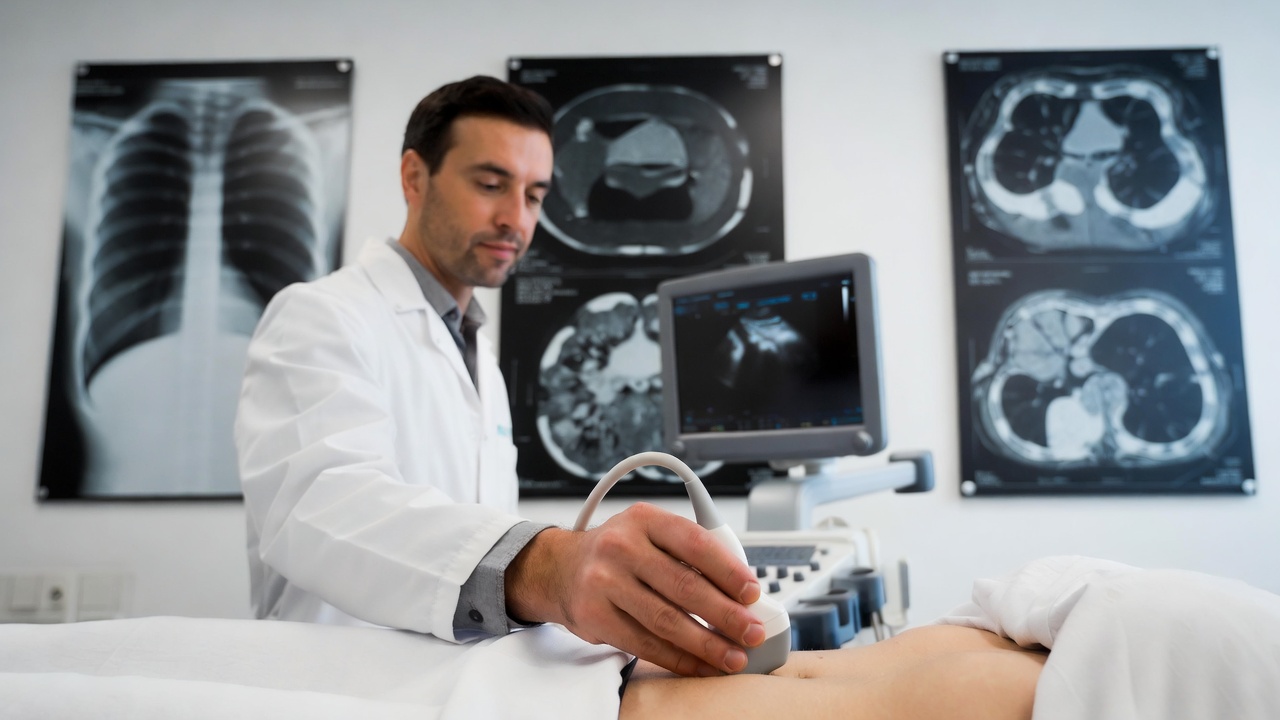
You’re sitting in a clinic, you’ve just had an X-ray, an MRI, or a CT scan, and you’re told, “The radiologist will send a report to your doctor.” You might have glimpsed those intricate black-and-white images and wondered, “Who is the expert deciphering this? What’s their story?”
If you’ve ever searched for a Radiologist in the UAE or an imaging specialist to understand your results, this blog is for you. We’re pulling back the curtain on one of medicine’s most crucial, yet often behind-the-scenes, specialities.
More Than Just Picture-Takers: The Art of Seeing
First, a key distinction. The friendly technician who operates the mammography or MRI machine is a radiographer. The radiologist is the medical imaging doctor – a physician who has undergone extensive additional training (often 5+ years after medical school) to interpret those images and provide a definitive diagnostic report.
Think of it this way: the scan is the incredibly detailed raw data. The radiologist is the master translator, turning that data into a coherent, actionable story about what’s happening inside your body. They don’t just look at the image; they look through it, analysing shapes, densities, textures, and blood flow to find clues.
The Vital Role of the Radio-Diagnosis Report
That report your doctor receives? It’s the cornerstone of modern diagnosis. It’s not just a description; it’s a consultation. A good diagnostic report answers critical questions:
- Is there an injury, like a hairline fracture missed on a simple look?
- Is there a tumour, and if so, what are its characteristics?
- How is a disease, like pneumonia or Crohn’s, responding to treatment?
- Is a procedure, like a biopsy, feasible and safe under imaging guidance?
In short, the radiologist’s interpretation directly shapes your treatment pathway. They are the detectives providing the evidence that guides your doctor’s next move.
The Many Hats of a Radiologist: A World of Sub-Specialities
Just as you’d see a cardiologist for your heart, radiology has its own deep sub-specialities. This is where you find your specialist radiologist. Here are a few key areas:
- Musculoskeletal Radiology: The go-to expert for sports injuries, joint pain, and bone disorders. They’re deciphering complex knee ligament tears or subtle stress fractures.
- Neuroradiology: Specialists in the brain, spine, and nervous system. They diagnose strokes, aneurysms, brain tumours, and spinal disc issues.
- Abdominal & Pelvic Radiology: Experts in organs like the liver, kidneys, and digestive tract. They play a key role in diagnosing cancers, infections, and abdominal pains.
- Breast Imaging (Mammography): Dedicated to the early detection and diagnosis of breast cancer through mammograms, ultrasound, and MRI.
- Interventional Radiology (IR): This is minimally invasive, image-guided surgery. Think of IRs as the surgeons who use tiny needles and catheters, guided by live imaging, to perform biopsies, open blocked blood vessels, or treat tumours without major surgery. It’s revolutionary.
- Paediatric Radiology: Children aren’t just small adults. These specialists understand the unique imaging needs and developing anatomy of kids.
So, whether you’re in Dubai, Abu Dhabi, or looking for a specialist radiologist in Sharjah, knowing there are experts for specific body systems can be reassuring.
The Human Behind the Diagnosis
Ultimately, a radiologist is a patient’s unseen advocate. They correlate your medical history with visual evidence to provide answers. Their meticulous scan interpretation brings clarity to uncertainty, guiding you and your doctor toward the best possible care.
Next time you see those fascinating images, you’ll know there’s a highly trained physician, dedicated to precision, working to tell your body’s story accurately.
FAQ: Your Radiologist Questions, Answered
A: Typically, your main point of contact is your referring doctor who discusses the report with you. However, you will directly meet radiologists during certain procedures like ultrasound-guided injections, biopsies, or in interventional radiology suites.
A: This varies. Urgent cases (like in the ER) are often reported within hours. For routine outpatient scans, it can take 24-48 hours. Complex cases requiring multiple specialist opinions may take longer.
A: The radiologist provides the diagnostic findings based on the images. Your treating doctor then combines this with their clinical examination, your history, and other tests to give you a final diagnosis and treatment plan. They work as a team.
A: A radiographer is a highly trained technologist who operates the imaging equipment to acquire the best possible images. A radiologist is a medical doctor who specialises in interpreting those images and writing the medical report.
A: In modern, well-structured departments, studies are ideally routed to radiologists with sub-speciality expertise in that area. This is a hallmark of quality care you can expect from leading medical imaging centres in the UAE.