
Your doctor has recommended an MRI, and you want to understand why. At Al Safwa Radiology Center in Sharjah, we help UAE patients understand their imaging needs every day. Here’s when and why MRI scans are ordered.
What Makes MRI Special?
MRI (Magnetic Resonance Imaging) uses powerful magnets and radio waves to create detailed images of your body’s soft tissues—no radiation involved. This makes MRI particularly valuable for certain medical conditions and for patients who need frequent imaging.
Common Reasons for MRI Scans
Brain and Neurological Conditions
MRI is the gold standard for brain imaging. Your doctor may order a brain MRI if you experience:
- Persistent or severe headaches
- Unexplained dizziness or vertigo
- Memory problems or cognitive changes
- Suspected stroke or mini-stroke
- Seizures
- Vision or hearing problems
MRI provides exceptional detail of brain structure, helping detect tumors, multiple sclerosis, aneurysms, and other neurological conditions that other imaging might miss.
Spinal Problems
For back pain, neck pain, or nerve symptoms like numbness and tingling, MRI of the spine reveals:
- Herniated or bulging discs
- Spinal cord compression
- Pinched nerves
- Spinal tumors or infections
- Degenerative spine conditions
The soft tissue detail from MRI shows the spinal cord, nerve roots, and intervertebral discs clearly—information that X-rays and CT scans cannot provide.
Joint and Sports Injuries
Active UAE residents with joint problems often need MRI to evaluate:
- Knee injuries (torn meniscus, ACL tears)
- Shoulder problems (rotator cuff tears, labral tears)
- Ankle ligament injuries
- Hip joint issues
- Wrist and elbow problems
MRI shows ligaments, tendons, cartilage, and other soft tissues that are invisible on X-rays, making it essential for diagnosing sports and overuse injuries.
Abdominal and Pelvic Organs
MRI provides detailed imaging of organs including:
- Liver problems and lesions
- Pancreatic conditions
- Kidney abnormalities
- Pelvic organs (uterus, ovaries, prostate)
- Soft tissue masses
For many abdominal conditions, MRI offers superior soft tissue contrast compared to CT scans.
Breast Imaging
Some patients need breast MRI in addition to mammography, particularly:
- High-risk patients with family history
- Dense breast tissue evaluation
- Assessing extent of known breast cancer
- Evaluating implants
- Screening for high-risk individuals
Cancer Staging and Monitoring
MRI plays an important role in cancer care for:
- Detecting soft tissue tumors
- Determining cancer extent
- Monitoring treatment response
- Checking for recurrence
- Planning radiation therapy
The detailed soft tissue imaging helps oncologists make informed treatment decisions.
Who Benefits Most from MRI?
Patients needing frequent imaging benefit from MRI’s lack of radiation. If you require regular monitoring—for multiple sclerosis, brain tumors, or chronic conditions—MRI allows repeated imaging without radiation concerns.
Children and young adults are often good candidates for MRI when possible, avoiding radiation exposure during their growing years.
Pregnant patients (after first trimester) may have MRI when imaging is necessary, as it doesn’t use radiation that could affect the developing baby.
What to Expect at Al Safwa Radiology
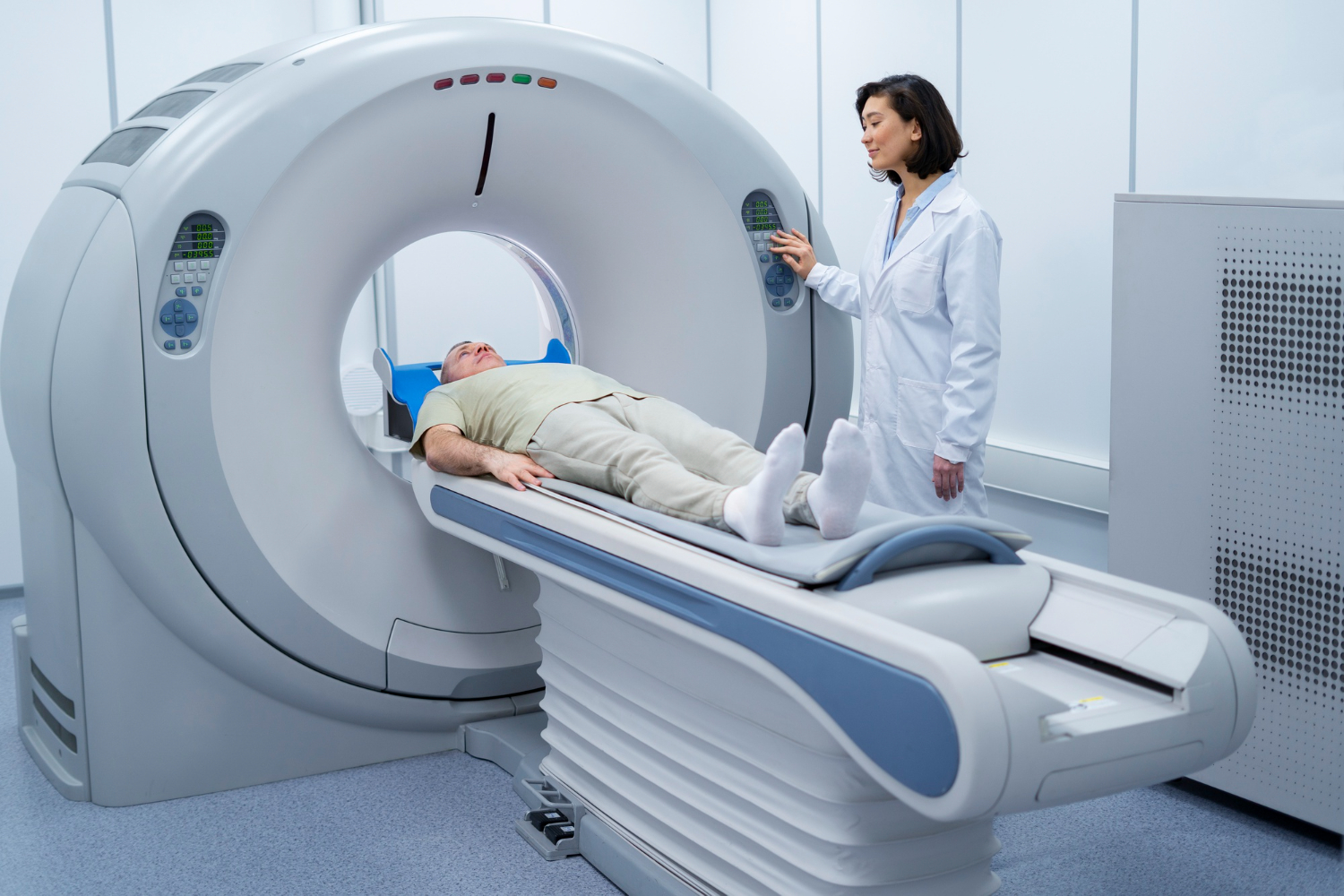
When you come to our Sharjah center for MRI:
- Preparation: Remove all metal objects (jewelry, watches, phones)
- Safety screening: Complete a form about metal implants or devices
- The scan: Lie still for 30-60 minutes in the MRI machine
- Noise: Expect loud knocking sounds (we provide earplugs/headphones)
- Communication: Our technologists monitor and can talk with you throughout
Some MRI scans require contrast dye injected through an IV to highlight certain tissues or blood vessels.
Claustrophobia Concerns
The MRI machine is an enclosed tube, which some people find uncomfortable. At Al Safwa, we help anxious patients with:
- Communication systems
- Positioning aids for comfort
- Breathing techniques
- Information about what to expect
Discuss concerns with your referring doctor—mild sedation may be an option if needed.
Getting Your Results
MRI exams take time because the machine captures extensive data. After your scan, a board-certified radiologist analyzes your images and prepares a detailed report for your referring doctor within 24-48 hours. Your doctor then reviews the findings with you and discusses next steps.
Is MRI Right for You?
Your referring physician determines if MRI is appropriate based on your symptoms and diagnostic needs. They consider what information is necessary for accurate diagnosis and treatment planning.
At Al Safwa Radiology Center in Sharjah, our advanced MRI technology and experienced team ensure high-quality imaging for accurate diagnosis.
📍 Al Safwa Radiology Center – Sharjah
📞 Schedule Your MRI: [Contact]
🌐 alsafwame.com
Serving patients throughout Sharjah and the UAE
FAQ: MRI Scan Questions
A: MRI is very safe and uses no radiation. However, the strong magnetic field means patients with certain metal implants, pacemakers, or devices may not be able to have MRI. Always inform Al Safwa staff about any metal in your body during screening.
A: MRI captures extremely detailed soft tissue information by measuring how hydrogen atoms respond to magnetic fields, which requires 30-60 minutes. CT uses X-rays that pass through quickly. The extra time provides superior soft tissue detail unavailable from faster scans.
A: Many claustrophobic patients successfully complete MRI scans at Al Safwa Sharjah. Our team uses communication systems, positioning aids, and relaxation techniques to help you stay comfortable. Discuss concerns with your referring doctor—mild sedation may be an option if needed.